




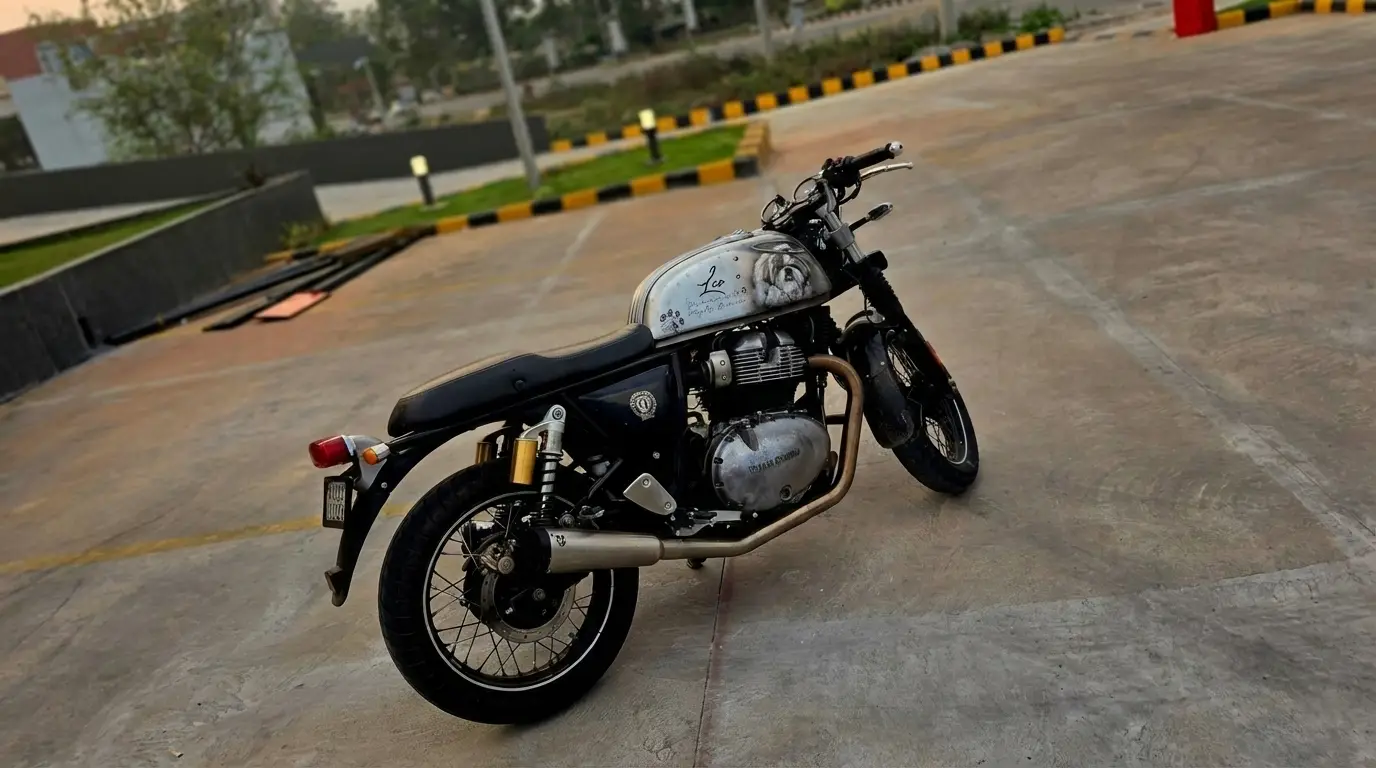
How to Care for Custom Paint — Avoid Scratches, Prevent Fading & Keep Your Ride Looking Fresh
A custom paint job — be it glossy, matte, candy-coat, metallic, or a bespoke finish — gives your vehicle a unique identity, turning a regular ride into a head-turner. But a great paint job needs proper care to retain its shine, depth, and finish over time. Without maintenance, even premium custom paint can dull, fade, or get scratched — especially under harsh conditions like sun, dust, pollution, or rough roads.
For vehicle owners who invest in custom paint — whether a bike or a car — regular care isn’t optional: it’s essential. In this guide, we walk you through practical and effective tips to preserve your custom paint finish. Follow them diligently, and you can keep your ride looking show-ready far longer.
Why Custom-Painted Vehicles Need Extra Care
Custom-paint jobs often involve special paints, coatings, clear-coats, and layered finishes that — while beautiful — can be more sensitive than factory paint. Dust, sand, small grit or contaminants, UV rays, rain, pollution, bird droppings — all these can slowly degrade paint, cause micro-scratches, dullness, or even fading over time.
Additionally:
- Custom finishes — like metallic, candy-coat or deep glossy paint — reveal every scratch or swirl mark more clearly than duller stock paint.
- Clear coat or protective layers (if any) may lose effectiveness unless properly maintained.
- Environmental conditions (sunlight, dust, pollution, rain, occasional acid rain or tree sap) accentuate wear on paint and coatings.
Hence, for custom paint, maintenance ≈ investment protection.
Core Maintenance Tips: Daily / Weekly / Periodic Care
Here’s a practical maintenance routine you can follow to keep your custom paint looking new. Adjust frequency depending on usage, environment, and weather.
1. Wash Your Vehicle Regularly — Don’t Let Dirt and Pollutants Build Up
- Regular washing helps remove dust, grime, pollution particles, bird droppings, sap — all of which if left too long can eat into paint or clear-coat.
- Experts generally advise washing every 1–2 weeks for regularly used vehicles, or more often if you ride/drive in dusty, polluted, or rainy conditions.
- Use mild, pH-balanced automotive shampoo (avoid household detergents). Strong soaps or harsh chemicals can strip protective coatings or dull the shine.
- Use soft, high-quality tools: soft wash mitts/sponges and clean microfiber towels. Avoid rough brushes or abrasive cloths which can scratch the surface.
- Don’t let dust or grime dry on surface — wash or rinse soon after a long ride, rain, or dust exposure, especially if you spot bird droppings, sap or road grime.
2. Use Proper Washing & Drying Technique — The Two-Bucket Method, Gentle Dry, No Automatic Brushes
- Adopt the two-bucket method: one bucket with soapy water, the other with clean/rinse water — helps prevent grit/dirt from being reintroduced to the paint surface when rinsing the wash mitt.
- Avoid automatic car washes with rotating brushes — the brushes and harsh detergents often used can cause micro-scratches or swirl marks, especially on sensitive custom paint.
- Dry the vehicle gently after washing — use a clean microfiber towel or soft drying cloth. Avoid air-drying in strong sunlight (can cause water spots), and avoid using rough towels or sponges.
3. Protect from Sun, UV & Heat Exposure — Park Smart
- UV rays and prolonged sun exposure cause paint fading, oxidation, degradation of clear-coat, and reduce gloss over time.
- Wherever possible, park under shade or in a covered area — this reduces exposure to sun, dust, pollution, bird droppings, and tree sap.
- If covered parking isn’t available, consider a breathable car/bike cover (soft inner layer) to shield the paint from environmental hazards, dust, pollution, sap, and minor impacts.
4. Apply Protective Coatings or Films — Long-Term Shield
One of the best ways to preserve custom paint (especially high-finish paint, metallics, candy or deep gloss) is to add an extra protective barrier.
- Paint Protection Film (PPF): A transparent thermoplastic urethane film applied over painted surfaces. It provides a shield against small stone chips, road debris, bug splatters, minor abrasions — especially effective for high-impact or vulnerable areas like front bumper, fenders, mirrors, lower panels.
- Ceramic Coating / Protective Sealants: A long-lasting protective layer that bonds with paint/clear coat, offering resistance against UV rays, acid rain, pollution, minor scratches, and making washing easier because dirt and water bead and roll off.
- Use coatings/films especially if your vehicle is often exposed to harsh environmental conditions (dusty roads, heavy traffic, sun, rain) — it dramatically prolongs the life of custom paint, reduces fading, and minimizes maintenance effort.
5. Wax or Seal (When Appropriate) — Extra Protection & Shine
- If not using PPF or ceramic coating, a good wax or sealant every few months helps add a protective layer against UV, pollution, road grime and moisture — preserving gloss and shine.
- Wax/sealant also makes future washing easier — dirt, dust and water slide off more easily, reducing potential for scratches from abrasive washing.
- For matte or specialty finishes, however — avoid glossy wax/polish as it may alter the intended look; use products designed for matte finishes. (Be mindful: some finishes demand specialized care.
Avoid Common Mistakes — What Many Owners Do Wrong
Even well-intentioned care can unintentionally harm your custom paint if you’re not careful. Here are common mistakes to avoid:
- ❌Using regular household detergents or harsh soaps — these can strip protective coatings or dull glossy/metallic finishes.
- ❌Dry-wiping dust or dirt with a dry cloth — dust contains tiny abrasive particles; rubbing them dry across paint can cause micro-scratches or swirl marks. Always wet-wash or rinse first.
- ❌Using automatic car washes with brushes — bristles and chemical detergents often damage paint/coating, cause swirl marks, wear away protective layers, especially over time.
- ❌Parking long-term under harsh sun or exposed to tree sap / acid rain / pollution without protection — UV exposure, sap, pollutants accelerate fading, oxidation, and degrade the paint/clear coat.
- ❌Skipping protective coatings / neglecting maintenance schedule — without periodic washing, waxing/coating, and protective layers, even high-quality custom paint will dull or degrade faster.
Seasonal & Environmental Considerations — Tailor Your Care to Conditions
Depending on where and how you use/park your vehicle, adjust your maintenance routine accordingly. This is especially relevant in areas with:
- Strong sun & high UV (summer, heat waves) — increases risk of fading, oxidation, clear-coat degradation. → Park in shade, use UV-resistant coatings or wax, wash more frequently.
- Dusty or polluted roads / frequent rain / humidity — dust, pollutants, rainwater, acid rain, road grime accumulate quickly → wash every 1–2 weeks, rinse thoroughly, consider protective coatings/film.
- Heavily wooded/urban areas (tree sap, bird droppings, pollution) — contaminants can be acidic or corrosive → clean them promptly, and avoid letting them dry on the surface.
- Frequent usage or long rides (commute, highway, rough roads) — more exposure to dust, debris, stones, bugs → periodic inspection of paint/clear-coat, PPF for high-impact zones, regular gentle washing.
When to Get Professional Detailing / Re-Coating / Paint Refresh
Despite your best efforts, over time or after heavy use, paint/coating may degrade. Here’s when you should consider professional intervention:
- If your paint shows dullness, fading, clear-coat oxidation, swirl marks or small scratches — a professional polish or re-seal can bring back shine.
- If protective coating (PPF or ceramic) is worn off — especially if you ride/drive in harsh conditions — reapplying protective coating helps prolong paint life.
- If you see chips, stone-mark impacts, paint flaking or clear-coat peeling — better to get them fixed professionally before rust, corrosion or paint damage spreads
- Periodic “deep clean & maintenance detail” — maybe once or twice a year — especially for high-end custom finishes, metallics/candy-coats — helps maintain shine, correct minor imperfections, re-seal coating if required.
DIY vs Professional Maintenance — What You Can Do & When to Seek Pros
DIY Maintenance (Good for Regular Upkeep)
- Gentle wash using pH-balanced shampoo + soft mitt + two-bucket method
- Rinse off dust/mud after each ride, especially after dusty roads or rain
- Use soft microfiber towels for drying
- Apply wax or sealant periodically if no ceramic coating or film is present
- Use high-quality microfiber towels and gentle cleaning agents for spot cleaning (bird droppings, sap)
This DIY routine, when done correctly, keeps your custom paint in good shape, reduces risk of scratches, and prolongs shine.
When to Go for Professional Detail / Protection
- For applying high-quality protective coatings — PPF, ceramic coating, especially for full-body or high-impact zones
- For polishing, scratch removal, clear-coat restoration, or paint correction if paint shows swirl marks, dullness, or damage
- For re-coating or re-sealing surfaces that have lost gloss or protection due to wear
- For complex paint care (matte finishes, metallic/candy finishes) — professionals know proper cleaning/polishing protocols and can avoid mistakes every owner might make
At a trusted custom-paint shop (like Devil’s Customs), you get expertise, appropriate materials, correct environment and professional-grade finishes — often worth the investment if you care about long-term paint health.
Summary: Paint Maintenance Checklist for Custom-Painted Vehicles
| Task | Frequency / When |
| Gentle wash (pH-balanced shampoo + 2-bucket method) | Every 1–2 weeks (or sooner if dirty/dusty) |
| Rinse dust/grime after long rides / rain / dusty roads | Immediately after ride / exposure |
| Dry with soft microfiber towel or blower | After each wash |
| Apply wax/sealant (if no coating/film) | Every 2–4 months |
| Park in shade or covered area / use cover if possible | Always when parked |
| Use protective coating (ceramic / PPF) — high-impact zones covered | Once (and inspect periodically) |
| Spot-clean bird droppings / sap / contaminants | Immediately upon noticing |
| Professional detail / inspection / coating refresh | Every 6–12 months (or when paint/coating shows wear) |
| Inspect paint, clear-coat, protective film regularly | Periodically — especially after harsh conditions |
.
Why It’s Worth the Effort for Custom Paint Owners
For those who invest in custom paint, proper maintenance does more than keep the bike/car looking good — it preserves the investment, extends the life of the paint, protects against environmental damage, retains resale value, and ensures the ride continues to draw admiration.
Paint protection techniques like ceramic coating or paint protection film may cost more upfront — but compared to repainting or dealing with faded, scratched, or dull paint later, they offer long-term value and peace of mind.
Moreover, consistent care — wash, wax, gentle cleaning — is cheaper, easier, and more effective than costly repaint or repair jobs down the road.
Conclusion
Custom paint gives your vehicle character, style and uniqueness — but without the right care, all that beauty can fade fast. With a thoughtful maintenance routine — regular gentle washing, careful drying, protective coatings/films or wax, shade or cover while parked, prompt cleaning of contaminants, and periodic professional detailing — you can preserve the finish, shine and value of your ride for years.
If you ever feel paint losing its gloss or protection — or if your bike/car has undergone heavy use or exposure — we at Devil’s Customs are here to help. We provide expert detailing, protective coatings, and careful re-finishing to keep your ride looking fresh and premium.
Treat your custom paint like the special finish it is. With care, your ride will look new — today, tomorrow, and for years to come.