




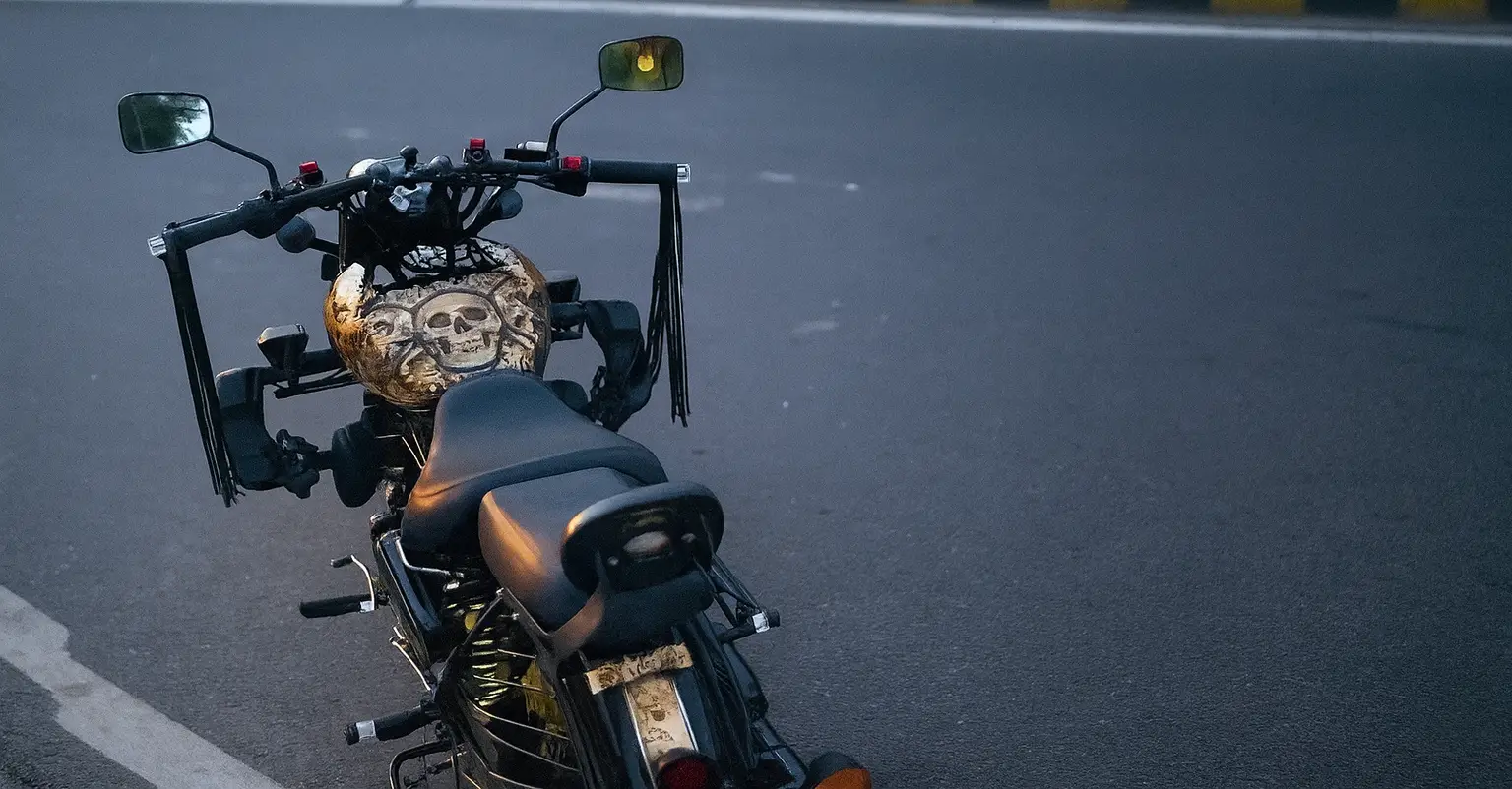
Essential Tips to Maintain and Preserve Your Vehicle’s Custom Paint Finish
Getting a custom paint job on your vehicle — whether it’s a bike, a car or an SUV — is one of the best ways to make your ride unique, eye-catching, and expressive. But a great paint job is only half the story: to keep it looking fresh, glossy (or matte, depending on your style), and resilient, maintenance and care matter just as much.
At Devil’s Customs, we often see beautifully customized bikes and cars — but over time, many lose their shine, gloss, or depth because owners aren’t aware of how to maintain their finishes properly. This article is your “owner’s manual” for custom-paint care: a comprehensive guide to preserving shine, preventing damage, and extending the lifespan of your vehicle’s paint job for years to come.
Whether you’ve opted for a glossy candy-coat, a deep metallic finish, a sleek matte coat, or a ceramic or protective layer — these tips help maximize what you paid for.
Why Proper Maintenance Matters for Custom Paint
Before diving into the tips, it’s worth understanding why care and maintenance are so important. Custom Paint is often more delicate or more sophisticated than standard factory paint — and subjected to more elements:
- Paint coatings and protective layers degrade over time if exposed to dust, pollution, UV rays, bird droppings, acid rain, or grime — this can dull the finish, reduce gloss, or even damage the surface.
- Environmental hazards and road conditions — especially in urban settings or Indian roads — cause frequent dust, grit, tiny stone chips, tar, sap, insect droppings, rainwater, heat, and sunlight. These factors gradually erode unprotected paint.
- Complex paint jobs (matte, metallic, candy, layered, etc.) require correct care — improper cleaning, rough cloths, harsh chemicals, or automatic car-washes can ruin such finishes, causing scratches/orange-peel effect or removing protective coatings.
- Protective coatings (like ceramic coatings or protective films) are not “set-and-forget” solutions — they need periodic maintenance to retain hydrophobic properties, gloss, and protection strength.
Thus, regular, correct maintenance is not optional — it’s the key to preserving the beauty, value, and integrity of a custom finish.
Core Maintenance Principles — What You Should Always Do
Here are foundational practices you must follow regularly to keep your custom paint in top shape.
1. Wash Regularly — Don’t Wait for Dirt to Build Up
- For regularly used vehicles (commute, city riding, frequent driving), aim to wash at least once every 1–2 weeks. This helps remove dust, grit, pollutants, bird droppings, and other contaminants before they bond to or stain the paint.
- Use a gentle, pH-neutral car shampoo — harsh detergents or household soaps can strip protective coatings (like ceramic or wax) and dull glossy/metallic finishes.
- Avoid dirty or abrasive cloths — always use soft microfiber wash mitts or towels, and avoid rough fabrics (e.g. old rags, terry cloth, paper towels), which can scratch or mar the surface.
2. Use Proper Washing Technique — Two-Bucket Method & Gentle Drying
- Adopt the “two-bucket method”: one bucket with shampooed water, another with clean water for rinsing your mitt. This reduces the chance of reintroducing dirt and grit back onto the paint surface and helps prevent micro-scratches.
- After washing, dry thoroughly with a clean microfiber towel or blower, and avoid air-drying in harsh sunlight (which can cause water spots or mineral deposits
- Always prefer hand-washes over automatic car washes — many automatic washes use abrasive brushes or harsh chemicals that can damage sensitive finishes, protective coatings or matte paint jobs.
3. Use Products Appropriate for Your Paint Type (Gloss / Matte / Coated)
- For matte or low-gloss finishes: never use normal waxes, polishes or polish-enhancers meant for glossy surfaces. Matte paint needs special matte-safe shampoos and maintenance products — regular glossy-finish products may add unwanted shine or damage the finish.
- If your vehicle has a protective coating (like ceramic) or film (PPF) — follow the specific maintenance guidelines: pH-neutral soaps, gentle cleaning, no abrasive polishes, gentle drying, soft cloths, and avoid harsh chemicals that can erode coating or cause loss of hydrophobic/water-rejection property.
- Avoid repeated use of clay-bars, aggressive polishes or buffing machines unless absolutely required and performed by experienced professionals — such procedures can degrade matte or coated finishes significantly.
4. Prompt Spot-Cleaning — Don’t Let Contaminants Stay on Surface
- Bird droppings, tree sap, insect remains, tar, acid rain residue, or tree resin — these contaminants are often acidic or corrosive; if left too long, they can etch or stain paint / coatings. It’s essential to clean them as soon as possible, using gentle cleansers and microfiber cloths.
- For coated surfaces: avoid harsh chemical or degreasing cleaners; use coating-safe quick-detail sprays or gentle, coating-safe cleansers.
5. Protect From Harsh Environmental Factors — Park Smart, Cover When Possible
- Whenever possible, park in shaded or covered locations — prolonged exposure to intense sunlight or UV can fade paint, degrade coatings, or reduce gloss.
- If you live or ride in dusty, polluted, or tree-lined environments (common in many urban Indian areas), consider using protective coverings, dust-covers, or garage parking to shield from pollutants, sap, acid rain, bird droppings, and dust.
6. Use Protective Coatings or Films for Extra Durability
- If not already done, consider opting for protective layers — such as a clear protective film (often known as PPF or “clear bra”) for vulnerable areas (like front panels, hood, bumper, side mirrors, tank/side panels) to guard against stone chips, scratches, and road debris.
- If you have or can afford a ceramic coating or nano-coating, it offers superior protection against UV, chemical pollutants, dust, water spots, and makes cleaning easier. But remember — ceramic coating is not maintenance-free; it still needs proper care.
- After applying ceramic or protective coating — wait the required curing period (often ~7 days) before first wash; washing sooner can impair bonding and shorten lifespan.
7. Periodic Inspection & Re-application (When Needed)
- Every few months or at least twice a year, inspect the paint and coating for dull spots, scratches, loss of water-beading (on coated surfaces), swirl marks, or areas where coating seems worn out. If needed — get a professional detailing touch-up.
- For matte finishes — sometimes a “matte-safe final finish spray” or spot-cleaning product may help revitalize look between washes.
- For coated surfaces, consider an occasional “booster spray” or maintenance spray (as recommended for ceramic coatings) every few months to renew hydrophobic and protective properties.
What to Avoid — Common Mistakes That Damage Custom Paint
Even with good intentions, these frequent mistakes can ruin a custom finish over time.
- ❌ Using regular household detergents or dish soaps — these are too harsh, strip protective coatings, and can dry out or dull paint surfaces. Always use automotive, pH-balanced shampoos.
- ❌ Automatic car washes or abrasive brushes — those rotating brushes often trap dirt/grit and scratch paint or coatings; also chemicals used are often too aggressive for coated or custom-painted surfaces.
- ❌ Rough towels, sponges, or dry-wiping dust — using regular cloth or dry-wiping dust can cause micro-scratches; always use clean microfiber towels and wet wash / gentle drying.
- ❌ Ignoring contaminants (bird droppings, sap, bug remains) — letting them sit for hours or days can etch, stain, or deteriorate paint/coating.
- ❌ Using wax/polish made for glossy paint on matte finishes — this can give unwanted shine or uneven finish and damage matte’s unique texture and look.
- ❌ Skipping regular maintenance and inspections — many assume once painted/coated, they can forget about upkeep. But coatings degrade, grime accumulates, and eventual neglect ruins even high-end paint jobs.
Maintenance Considerations Specific to Different Finish Types
Because custom paint jobs vary (matte, gloss, coating, film, etc.), maintenance needs differ slightly depending on finish type. Here’s a breakdown:
Gloss / Metallic / Candy / Standard Finish (No Special Coating)
- Regular washes with pH-neutral shampoo every 1–2 weeks.
- Gentle drying with microfiber towel to avoid water spots.
- Occasional waxing or sealant (if desired) to boost shine and add a layer of protection.
- Avoid prolonged exposure to sun, acid rain or bird droppings — wash/clean quickly after such exposure.
Matte / Satin Finish
- Use shampoos and cleaners meant for matte finishes — never gloss-enhancing wax or polish.
- Avoid buffing, polishing or aggressive cleaning — matte finishes are more delicate; scratches show easily and are harder to fix.
- Clean dust, sap, grime gently with microfiber mitts and matte-safe cleansers; don’t let contaminants sit.
- Expect to reapply protective matte-safe coatings (if used) periodically (some recommend every 1–2 years), especially for vehicles parked outdoors often or used regularly.
Vehicles With Protective Coating / Film (Ceramic, PPF, Nano-Coating)
- Follow coating-specific care: pH-neutral shampoo, two-bucket wash, gentle drying, soft microfiber towels.
- Avoid harsh cleaners, abrasive polishes, power buffers — these degrade protective layer, reduce hydrophobic properties, or cause swirl marks.
- Wait recommended curing period (often 7 days) after application before first wash.
- Use “booster” or maintenance spray every 3–6 months (or as recommended) to refresh coatings, maintain water repellence and shine.
- Clean contaminants (bird droppings, sap, acid rain residue) promptly — coatings reduce risk but don’t make the vehicle invincible.
Seasonal & Use-Based Maintenance: What to Do Depending on Weather / Riding Conditions
Because environments and weather vary (especially relevant in regions like Noida / northern India, with dust, heat, rain, monsoon), customizing maintenance frequency and care to seasons or riding usage helps preserve paint better.
Hot & Sunny Periods / High UV Exposure
- Park in shade or under cover when possible to prevent UV-related fading or paint oxidation.
- Wash more frequently — dust, pollution, sun + heat can dull paint quicker.
- Use a UV-resistant sealant or protective coating to shield paint from sun damage.
Dusty / Polluted Environments / Urban Use
- Clean regularly (every 1–2 weeks) to prevent dust and pollutants from bonding to paint / coating.
- Rinse before washing to remove loose grit (so you don’t drag dust across paint surface while washing) — helps avoid micro-scratches.
Rainy / Monsoon / Humid Conditions
- After rain or during humid weather — wash quickly to remove acid rain residue, contaminants, tar, tree sap, to avoid etch marks or dulling.
- Dry thoroughly after washing to prevent water spots or mineral stains.
- For coated vehicles — inspect water-beading / hydrophobic performance after rainy season; if reduced, consider reapplication or maintenance spray.
Occasional / Light Use (e.g. weekend rider, garage-parked bikes/cars)
- Even if not used daily, periodic maintenance is important — dust settles, pollutants accumulate.
- Schedule a wash + inspection every 2–4 weeks; check finish for dust, stains, water spots, sap, or minor scratches.
- Use protective cover when parked for long periods to guard against dust, bird droppings, tree sap, environmental fallout.
When to Seek Professional Detailing / Re-Coating / Paint Refresh
Despite best care, over time certain situations may call for professional intervention to preserve or restore your custom finish:
- Coating wears off (hydrophobic property lost on ceramic-coated vehicles, or film begins to peel) → consider re-application or professional maintenance.
- Paint shows micro-scratches, swirl marks, oxidation, dullness — especially on glossy or metallic paints — may need polishing or protective sealing.
- For matte finishes — if there are stains, ingrained tar/sap, or uneven texture due to improper previous cleaning → professional matte-safe cleaning and finish refresh may help.
- After heavy exposure (e.g. hail, acid rain, pollution storms, extreme heat) or long-term wear: a full-detail treatment including clay-bar cleaning, protective coating reapplied, sealing, deep cleaning helps restore finish quality.
At this point, a professional custom-paint/detailing studio like Devil’s Customs can help restore the shine, seal the paint, re-coat/protect, or even reapply protective film or coatings — helping your ride look fresh again.
Final Thoughts — Treat Your Paint Like an Investment, Not a Project
Custom paint on your vehicle adds style, identity, personality — but it also demands respect, patience, and upkeep. Think of it like a premium suit or a custom leather jacket: to keep it looking sharp, you must care for it properly.
By following the maintenance principles above — regular gentle washing, correct products, appropriate drying, prompt cleaning of contaminants, protection from environment, and occasional professional detail/coating maintenance — you can make sure your ride stays as stunning as the day it left the shop.
At Devil’s Customs, we don’t just paint rides — we help owners preserve them. If you ever feel the paint losing its edge, or need a protective coating or refresh, our team is ready to help bring back that showroom-fresh shine.
Your ride is more than a vehicle — it’s a statement. Treat it well, maintain it diligently, and enjoy every mile in style.